Part-Time Working Professional Course Admission Open 2026 at MU - Anantpur
Lateral Entry for Working Professional Program have become increasingly popular in India, as they provide students with the opportunity to gain practical, hands-on experience while they study. Lateral Entry for Working Professional Program combine classroom learning with on-the-job training, enabling students to apply theoretical concepts in real-world scenarios. These programs have several key characteristics that set them apart from traditional academic programs. Mangalayatan University has always been the centre for premier learning institute with various on campus and Lateral Entry for Work integrated Program.
- Industry-relevant curriculum: - One of the key characteristics of Lateral Entry for Working Professional Program is that they are designed in collaboration with industry partners. This ensures that the curriculum is relevant to current industry trends and prepares students for the workforce. Industry experts and professionals are often involved in designing and teaching the courses, giving students a real-world perspective on their chosen field of study.
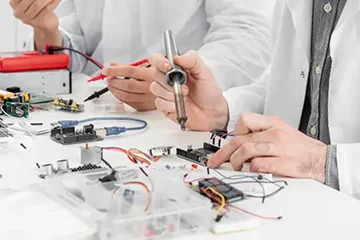
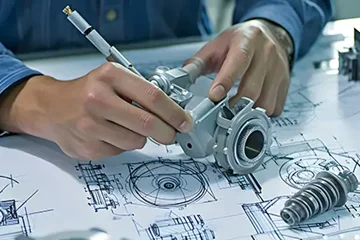
- Practical, hands-on experience: - Lateral Entry for Working Professional Program are designed to provide students with practical, hands-on experience in their chosen field. This is achieved through internships, apprenticeships, and other work-based learning experiences. Students have the opportunity to apply theoretical concepts in real-world scenarios, gaining valuable experience and developing important skills such as communication, problem-solving, and teamwork.
- Industry connections and networking: - Lateral Entry for Working Professional Program provide students with the opportunity to connect with industry professionals and build their professional network. Through internships and other work-based learning experiences, students have the opportunity to work with and learn from professionals in their field. This can lead to valuable mentorship opportunities, job offers, and other career benefits.
- Customizable learning experiences: - Lateral Entry for Working Professional Program are often highly customizable, allowing students to tailor their learning experiences to their individual goals and interests. Students can choose from a range of work-based learning experiences, such as internships, apprenticeships, and co-operative education programs. They can also select courses that align with their career goals and interests.
- Collaboration between academic institutions and industry partners: - Lateral Entry for Working Professional Program involve collaboration between academic institutions and industry partners. This collaboration ensures that the curriculum is relevant to current industry trends and provides students with the opportunity to work with and learn from professionals in their field. It also helps to bridge the gap between academia and industry, ensuring that students are prepared for the workforce and that industry partners have access to a pool of skilled, job-ready graduates.
- Blended learning approach: - Lateral Entry for Working Professional Program often incorporate a blended learning approach, combining classroom learning with online learning and work-based learning experiences. This approach allows students to learn at their own pace and provides flexibility in terms of when and where they study. It also enables students to apply theoretical concepts in real-world scenarios, making their learning more relevant and impactful.
- Increased employability: - Lateral Entry for Working Professional Program are designed to increase students' employability by providing them with practical, hands-on experience and developing their professional skills. This can lead to better job prospects and higher starting salaries after graduation. Employers often value graduates with work-based learning experience, as it demonstrates that they have the skills and experience needed to succeed in the workplace.
- Personal and professional development: - Lateral Entry for Working Professional Program provide students with opportunities for personal and professional development. Through work-based learning experiences, students develop important skills such as communication, problem-solving, and teamwork. They also have the opportunity to build their professional network and develop their career goals and aspirations.
In conclusion, Lateral Entry for Working Professional Program in India have several key characteristics that set them apart from traditional academic programs. They provide students with practical, hands-on experience, industry connections, and customizable learning experiences. They also involve collaboration between academic institutions and industry partners and often incorporate a blended learning approach. Overall, work-integrated learning programs are designed to increase students' employability and provide opportunities for personal and professional development. As such, they are an excellent option for students looking to gain valuable experience and skills while they study.





















.webp)
.webp)